
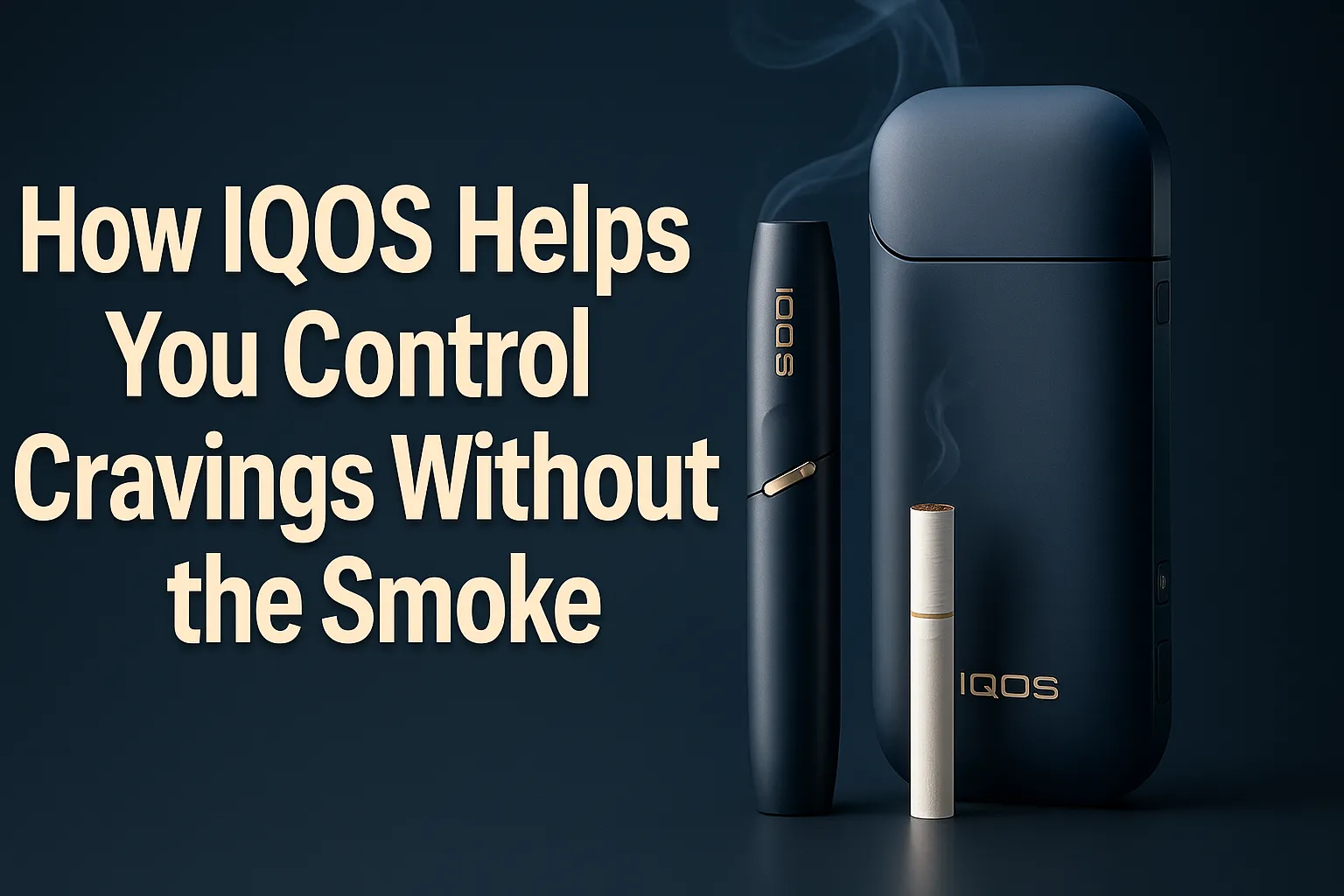
Cigarette cravings hit hard. That familiar urge after your morning coffee, during your office break, or after a meal. For years, smokers in Dubai dealt with this the same way: lighting up another cigarette. IQOS changed that equation. This heated tobacco device doesn’t eliminate cravings entirely, but it helps you manage them differently. No smoke, ash, lingering smell on your clothes after that business meeting.
Here’s what actually happens when you use IQOS to control cravings.
Why Cravings Happen in the First Place
Your brain connects nicotine with specific moments. That’s why cravings feel strongest at predictable times. Morning coffee triggers one pattern. Traffic stress triggers another. Social gatherings with smoking friends trigger a third. These aren’t random urges. They’re learned associations your brain built over months or years. Each cigarette reinforced the connection between situation and satisfaction. IQOS works within this system. It delivers nicotine through heated tobacco, not burning it. Your brain still gets the signal it expects, but your body gets fewer harmful chemicals.
The difference matters for Dubai users specifically. You can use IQOS in more places without bothering people around you. That changes how you manage cravings throughout your day.
How IQOS Handles Different Craving Types
Not all cravings feel the same. Understanding the difference helps you respond better.
Physical cravings come from nicotine withdrawal. Your body wants that familiar chemical. These cravings peak in the first 24 hours after your last cigarette and gradually decrease over weeks. IQOS addresses physical cravings by delivering nicotine consistently. The device heats tobacco to 350°C, releasing nicotine-containing vapor without combustion. Users report satisfaction levels similar to cigarettes. Psychological cravings connect to habits and routines. You reach for a cigarette not because your body needs nicotine, but because the situation feels incomplete without it.
This type hits hardest in Dubai workplaces. That 3 PM break. The drive home in evening traffic. Friday gatherings with friends who smoke. IQOS helps here too. The ritual stays similar: you hold something, you inhale, you take a moment. Your hands stay busy. The psychological pattern gets satisfied even as you reduce harm.
The First Week: What Actually Changes
Week one separates successful transitions from failed attempts. Your body adapts quickly to IQOS, but your brain needs more time. Studies show that 87% of users increased their IQOS usage over 21 days while reducing cigarette consumption.
Day 1-3 feels roughest. Cravings peak around day three. You might feel irritable or have trouble concentrating. This happens whether you switch to IQOS or quit entirely. The advantage with IQOS. you’re managing one change at a time. You’re not fighting nicotine withdrawal and behavioral changes simultaneously.
By day 7, most Dubai users notice three shifts:
- Morning cravings feel less urgent
- You can delay satisfying a craving by 5-10 minutes
- Social situations become easier to navigate
These small wins build momentum for week two.
Managing Dubai-Specific Triggers
Dubai’s environment creates unique craving triggers. Let’s address them directly.
Traffic situations: Rush hour on Sheikh Zayed Road tests every smoker’s patience. You’re stuck in your car, stress building, reaching for relief.
With IQOS, you can use the device in your car without filling it with smoke. The odor disappears in minutes instead of lingering for hours. Your car stays cleaner.
Office breaks: Many Dubai offices have designated smoking areas far from workstations. Walking there and back takes time you might not have.
IQOS reduces the social friction. Less smell means colleagues don’t immediately know you’ve been smoking. You spend less time in designated areas because the vapor dissipates quickly.
Social gatherings: Dubai’s social scene often involves shisha cafes and outdoor smoking areas. Friends who smoke create strong craving triggers.
Having your IQOS ready helps. You participate in the social ritual without needing a full cigarette. The experience feels similar enough that you don’t feel left out.
Practical Techniques for Craving Moments
When a craving hits, you have about 5-10 minutes before it peaks. Here’s what works.
Delay technique: Tell yourself you’ll use your IQOS in exactly 5 minutes. Not “later” or “maybe” but a specific short timeframe.
During those 5 minutes, do something physical. Walk to another room. Pour water. Check your phone. The craving often weakens before your 5 minutes end.
Deep breathing method: Take 6 slow, deep breaths before reaching for your IQOS. Breathe in for 4 counts, hold for 4, exhale for 6.
This works because cravings create tension. Deep breathing releases it. You might still use your IQOS afterward, but you’re responding instead of reacting.
Environment change: If you’re sitting, stand up. If you’re inside, step outside. If you’re alone, call someone.
Cravings lock onto specific environments. Breaking the pattern disrupts the intensity. Dubai’s weather makes this easier most months—stepping outside actually feels refreshing.
What IQOS Can’t Do
Let’s be direct about limitations. IQOS doesn’t eliminate nicotine addiction. You’re still consuming nicotine, still feeding the dependency. Some users find themselves using IQOS as frequently as they smoked cigarettes. The device also doesn’t remove all health risks. While heated tobacco produces fewer harmful chemicals than cigarette smoke, it’s not risk-free. Research on long-term IQOS effects continues. Withdrawal symptoms persist during transition. You might still experience anxiety, irritability, or sleep disruption in the first weeks. IQOS helps manage cravings, but it doesn’t prevent all withdrawal effects. For some Dubai users, IQOS becomes a bridge to quitting entirely. For others, it’s a long-term alternative to cigarettes. Know which path you’re on.
The Role of Support Systems
Managing cravings alone makes everything harder.
Tell trusted friends and family about your switch to IQOS. They can help in specific ways:
- Holding you accountable when you’re tempted to buy cigarettes
- Understanding why you might be irritable during the first week
- Celebrating small wins like reducing your cigarette count
Dubai’s expat community offers another resource. Many residents have successfully transitioned from cigarettes to reduced-risk alternatives. Their experience can guide your approach. Online communities exist specifically for heated tobacco users. They share strategies for managing cravings in different situations. Learning what worked for others saves you trial-and-error time. Professional support matters too. Some Dubai healthcare providers now offer counseling specifically for tobacco harm reduction. They can help you develop personalized craving management strategies.
Building New Routines Around IQOS
Your old smoking routine had structure. Wake up, coffee, cigarette. Lunch, break, cigarette. Evening, relax, cigarette. IQOS works best when you build intentional routines around it.
Morning pattern: Instead of reflexively using IQOS with your first coffee, try having coffee first. Then use IQOS 10 minutes later. This small delay trains your brain that the two don’t need to happen simultaneously.
Work break structure: Schedule IQOS use rather than waiting for cravings to dictate timing. Use it at 11 AM, 2 PM, and 5 PM regardless of whether you feel strong cravings.
This approach prevents the craving-response cycle from strengthening. You’re using IQOS on your terms, not your addiction’s terms.
Evening routine: Many smokers increase cigarette consumption after work. Stress from the day accumulates, willpower depletes.
Counter this by using IQOS mindfully in the evening. Take three slow puffs, pause for a minute, continue. Make it a deliberate practice rather than absent-minded habit.
Measuring Your Progress
Track specific metrics to see improvement. Count daily cigarette consumption separately from IQOS use. Seeing the cigarette number decrease over weeks proves you’re making progress, even if you use IQOS frequently. Notice craving intensity on a 1-10 scale. Week one cravings might average 8/10. By week four, they might drop to 5/10. This subjective measure still shows meaningful change. Monitor trigger situations. Which scenarios still create strong cigarette cravings versus situations where IQOS fully satisfies you? The pattern reveals where you need additional strategies. Track your spending too. Cigarette costs add up quickly in Dubai. Calculate monthly savings from reducing cigarette purchases. Financial progress motivates continued effort.
Long-Term Craving Management
After the first month, craving management shifts from survival to strategy. Some cravings never fully disappear. A strong coffee might always trigger a slight urge. High-stress situations might always make you think about smoking. Accept this rather than fighting it. You’re not eliminating cravings; you’re building better responses to them. Long-term IQOS users in Dubai report that cravings become background noise rather than urgent demands. You notice the urge, acknowledge it, and either satisfy it with IQOS or let it pass.
This is the real benefit. Not craving elimination, but craving control.
Making the Switch Stick
Most people who switch from cigarettes to IQOS try several times before it sticks. The difference between temporary attempts and lasting change comes down to preparation. Know your toughest triggers before you start. Have strategies ready for those specific situations. Stock your IQOS with enough HEETS that you never run out during the first month. Running out means buying cigarettes as backup, which undermines your transition. Give yourself permission to use IQOS frequently at first. Some users consume more HEETS initially than they smoked cigarettes. That’s fine. You’re building a new habit before you optimize it. The goal isn’t perfection. It’s progress. Each cigarette you don’t smoke is a win. Each craving you manage with IQOS instead of traditional tobacco is a win. Dubai’s community of IQOS users continues growing. You’re not alone in this transition. Others have faced the same challenges and found ways through them. Your craving management strategy will be personal. What works for someone else might not work for you. Test different approaches, keep what helps, discard what doesn’t.
The smoke is gone. The cravings remain, but they’re manageable now.